
GREENING THE GIG
An Entertainment Venue Sustainability Toolkit
What is this toolkit, why did we make it, and who is it for?
This toolkit is designed as a broad, adaptable guide for entertainment venues looking to integrate sustainability into their operations, culture, and brand identity. Rather than offering one-size-fits-all solutions, it provides a framework for venues to explore what “going green” looks like in their own context, whether that means reducing waste, cutting energy use, improving fan engagement, or aligning staff and artists around shared values.
We created this toolkit because music sits at the heart of culture. Venues aren’t just places where people gather, but they’re also where ideas and movements take root. By leading with sustainability, venues have the power to set trends, influence audiences, and make environmental stewardship feel exciting and accessible.
At the same time, sustainable operations are simply smart business: they lower long-term costs, strengthen community relationships, and future-proof organizations as we move towards a greener policy landscape. This toolkit provides actionable steps for venues as they embark on their sustainability journey.
Areas of Focus
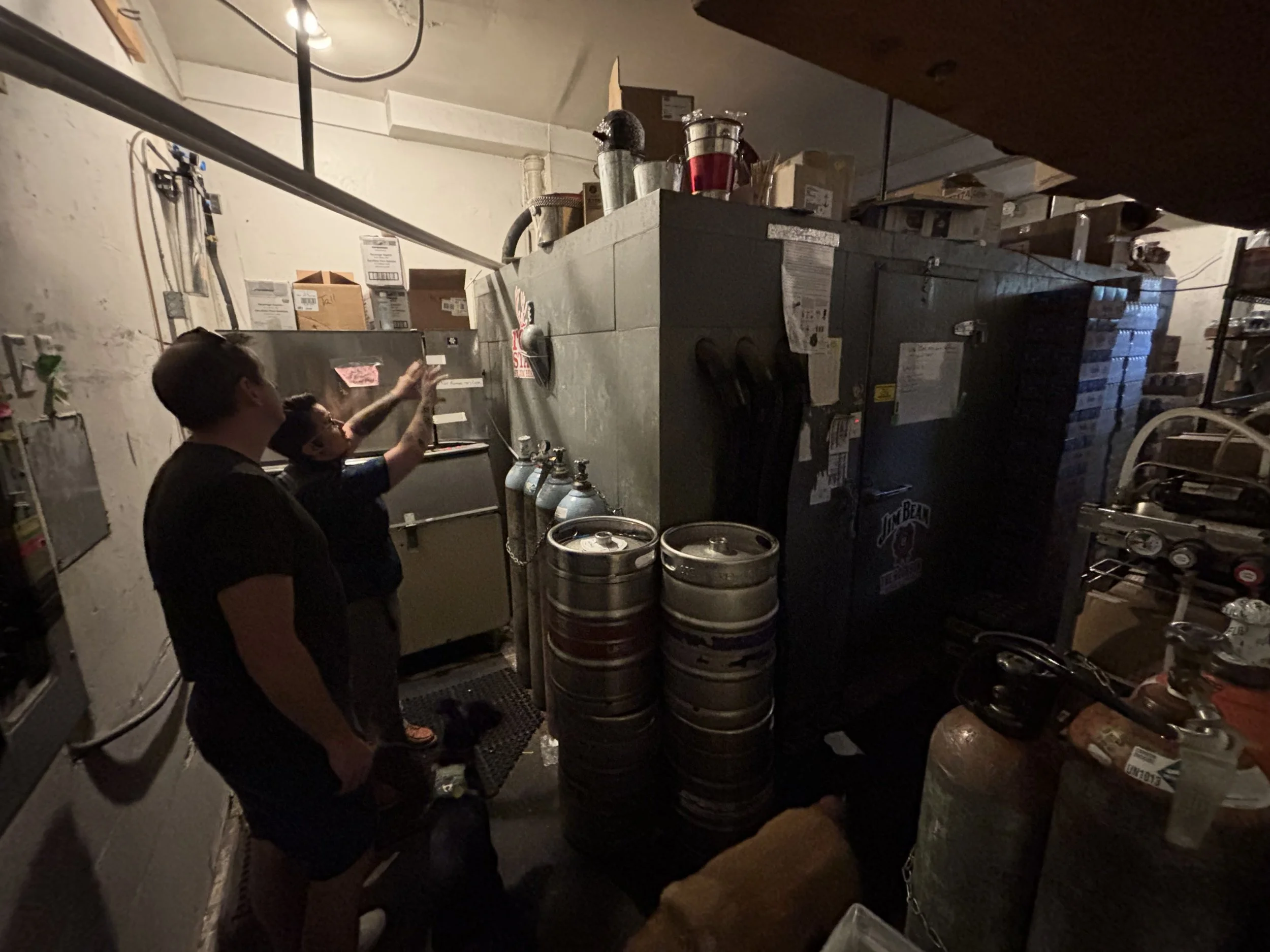
Facilities
This section highlights strategies to improve energy efficiency at music venues. Recommended measures include a mix of system upgrades and building improvements that can reduce energy costs and greenhouse gas emissions. While exact savings vary by venue, these upgrades can deliver significant reductions in energy use and environmental impact over time. Some measures, such as LED lighting retrofits, depend on existing conditions and should be evaluated on a case-by-case basis.
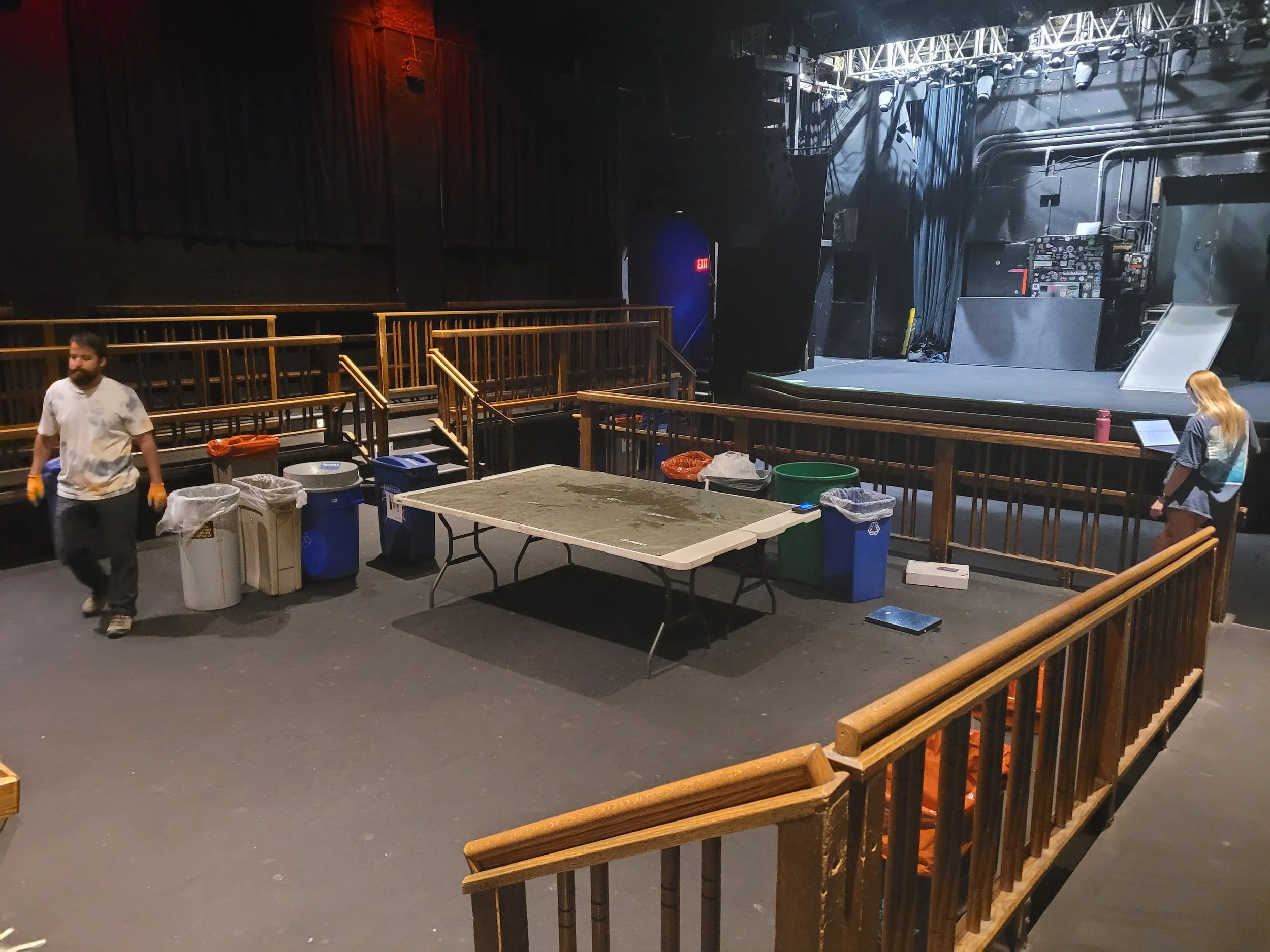
Operations
A venue’s everyday operations have a direct impact on its environmental footprint. From waste management to water usage, these operational decisions have the power to decrease emissions, conserve valuable natural resources, and pave the way to a greener future. This section provides recommendations and outlines actionable steps for implementing more sustainable practices in three main areas: waste, water, and product procurement.
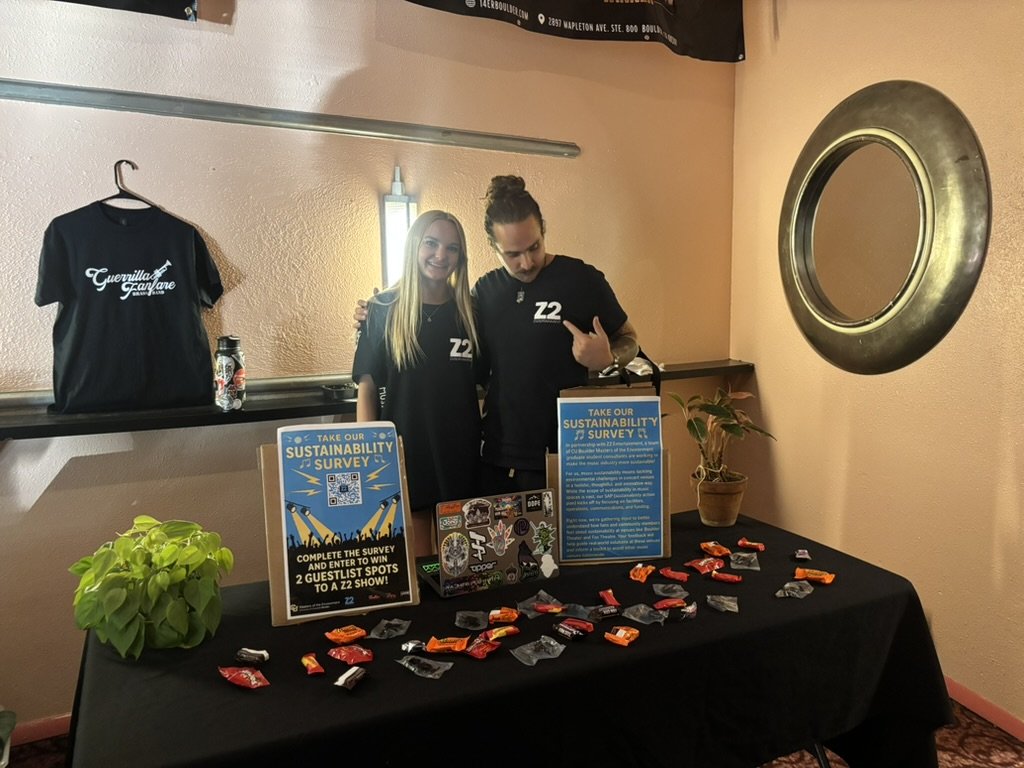
Communications
Communication is the wind that carries the seeds of change. It offers moments to align and inspire at every level, from the team behind the scenes, to the fans in the crowd, to the artists on stage. One thing remains constant: strong communication keeps everyone aligned and ensures sustainability isn’t just an initiative or a box to check, but a lived story that inspires change across the entire community. Whether it’s internal teamwork, external storytelling, or client and artist engagement, clear and consistent communication turns values into visible action and culture into community.

Funding
Making the transition towards sustainability is one that requires a significant amount of capital. Luckily, there are many government and non-profit-backed incentives available to businesses to help ease that financial burden. This piece of the toolkit gives an overview of key funding-related terms and provides examples of opportunities that are available and how to best search for them. The goal of this section is to provide confidence to those business owners who feel they are ready to embark on a journey towards a more sustainable future.
Six waste audits across two case study venues in Boulder, CO
Two water audits across two case study venues in Boulder, CO
Researching industry best practices in venue sustainability
GHG benchmarking
Financial modeling
Interviews with city officials, industry experts, and staff two case study venues
Conducting a fan survey
Visits to sustainable venues
Methodologies
Our approach included:
These methods combined technical assessments with community-informed insights to build a realistic and actionable foundation for this toolkit.
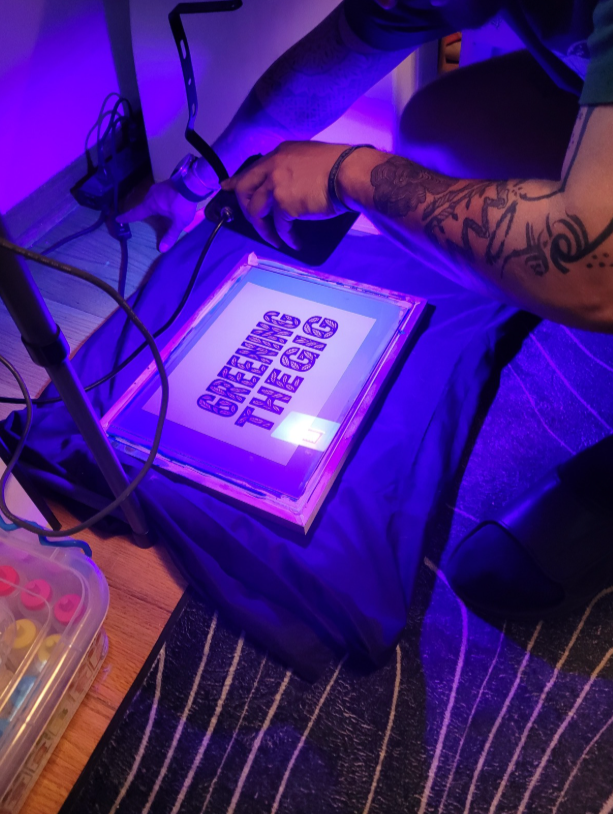
Context
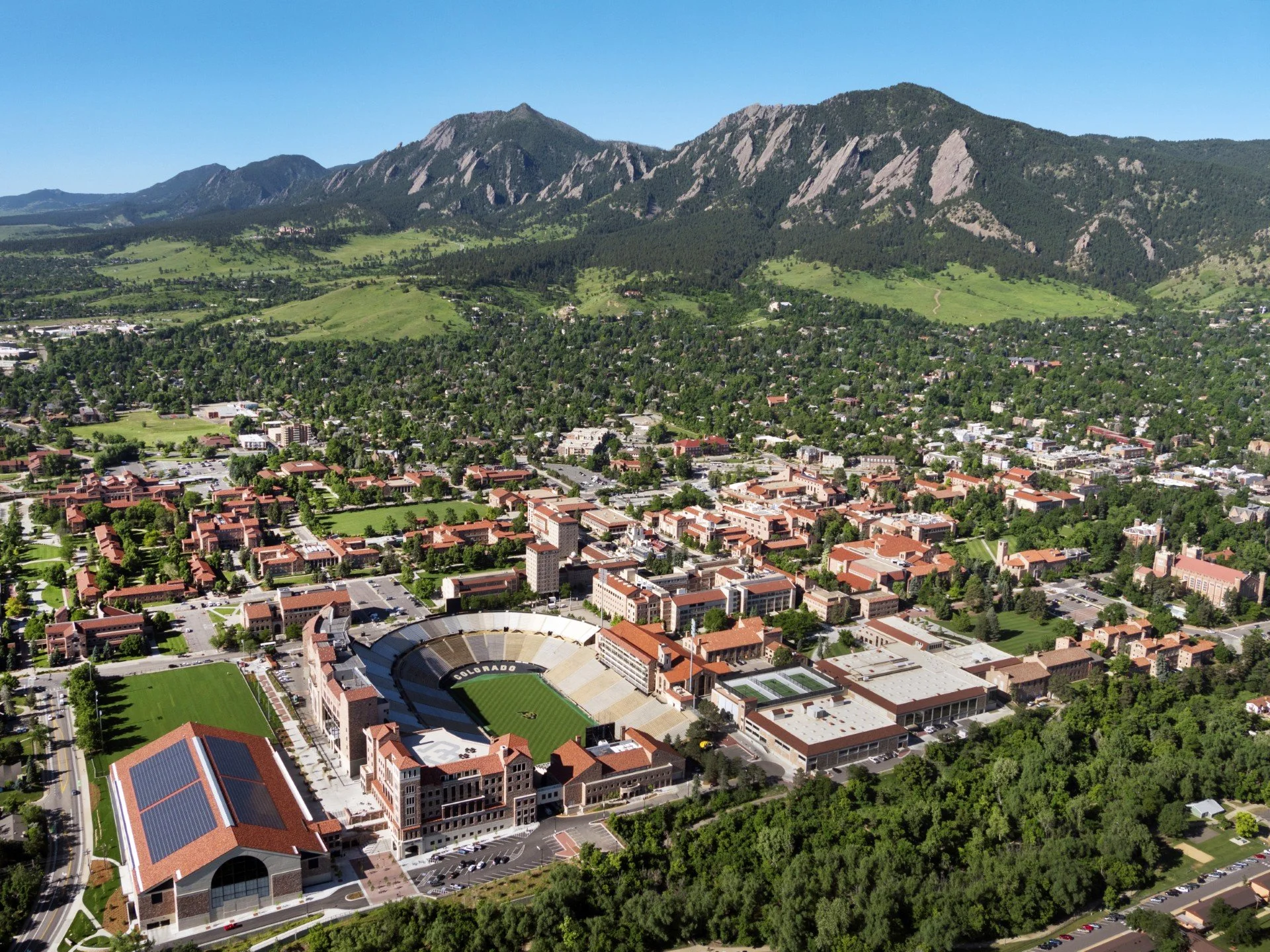
This toolkit was developed as part of a CU Boulder Masters of the Environment (MENV) capstone project, created by a team of four interdisciplinary graduate consultants during the 2025 academic year. After dedicating over 500 hours each to qualitative and quantitative research at two local music venues, the team produced a 5-year Sustainability Action Plan—and distilled its key strategies into this broader, adaptable toolkit.
CU Boulder MENV
The Masters of the Environment (MENV) program at the University of Colorado Boulder is an interdisciplinary, practice-based graduate program that prepares students to address complex environmental challenges through leadership, innovation, and collaboration. The program connects students with diverse industry partners, equipping students with the technical knowledge, strategic thinking, and hands-on experience needed to drive meaningful sustainability solutions across sectors.
Capstone Projects
The Capstone Project is the culminating experience of CU Boulder’s MENV program, providing students with the opportunity to apply their academic training to real-world environmental challenges. Working in interdisciplinary teams, students partner with external organizations ranging from nonprofits and businesses to government agencies to develop actionable sustainability strategies and create professional deliverables and recommendations that create measurable impact.